

The Eye Group
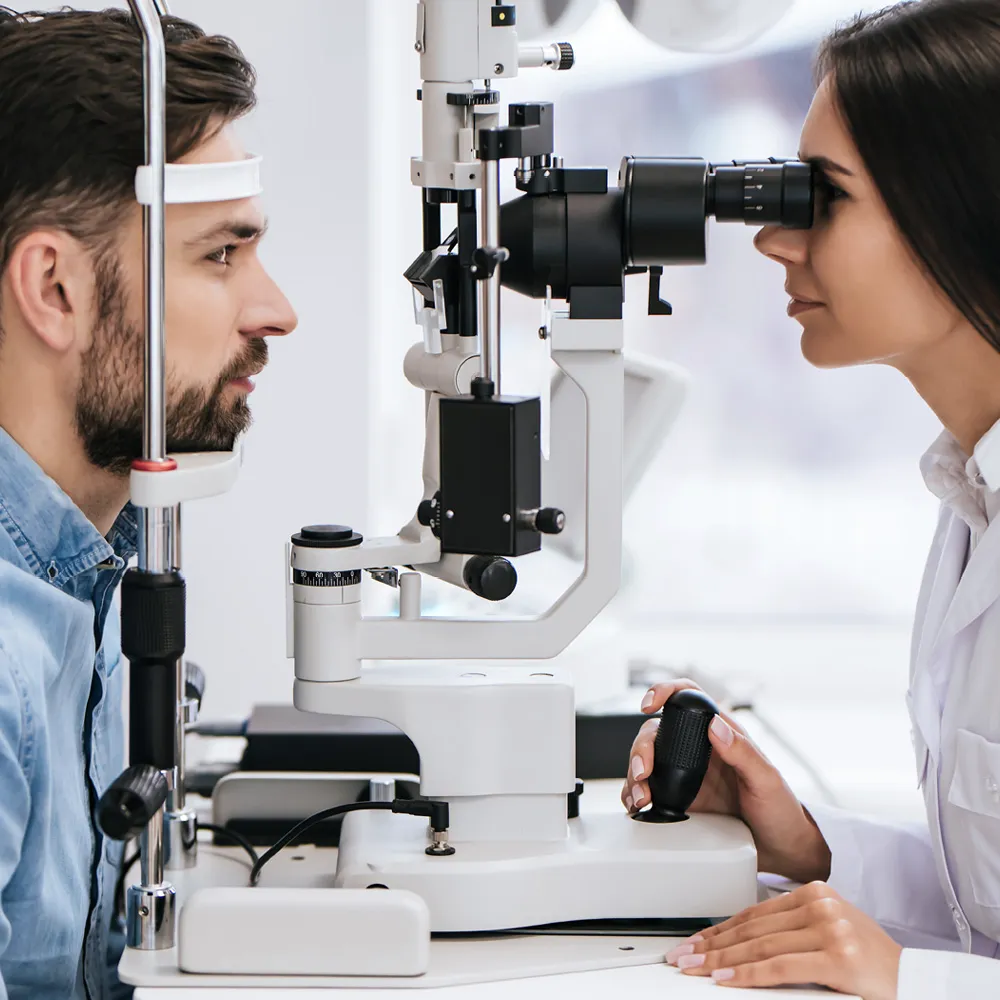
Our board-certified eye doctors provide the highest quality of care performing everything from routine eye exams to diagnosing, treating, and managing eye diseases.
Find an Eye Doctor Near You
About The Eye Group
The Eye Group’s personalized attention and relationship-building approach to eye care are without comparison. With two locations serving the Knoxville area for over 28 years, we are convenient to Farragut, Oak Ridge, Maryville, Seymour, and Sevierville. The Eye Group is a comprehensive eye care center utilizing the latest advances and breakthroughs in vision care.
There’s a reason we’ve won Best Eyewear Shop seven times since 2012! Patients will find an extensive selection of quality frames and premium eyeglass lenses for every budget, including cool frames kids will love. Our staff will make sure your frames are a perfect fit and will keep you on trend with the latest fashions. With our one-year guarantee, you can feel confident that you made the right choice. Online shops just can’t provide that kind of service or guarantee.
For your convenience, both offices house an extensive contact lens inventory and our doctors welcome even the most hard-to-fit contact lens patients. We can provide comfortable contact lens options for patients with dry eye, multifocal and bifocal contact lenses. The Eye Group’s doctors and staff work closely with the major laser centers and surgeons in East Tennessee with your best interest at heart.
The Eye Group doctors can provide comprehensive pre and post-op care, and will be your advocates throughout the entire process. Their care and guidance will ensure that you see the best surgeon possible and are treated with the best technology for your particular visual needs.
You’ll find a visit to The Eye Group to be thorough, enjoyable, and affordable. We will also gladly file for most vision insurance plans, making the process as easy as possible for you!

Find an Eye Doctor Near You
At The Eye Group we believe in using the latest technologies to aid us in doing everything comprehensively—right down to your basic eye exam.